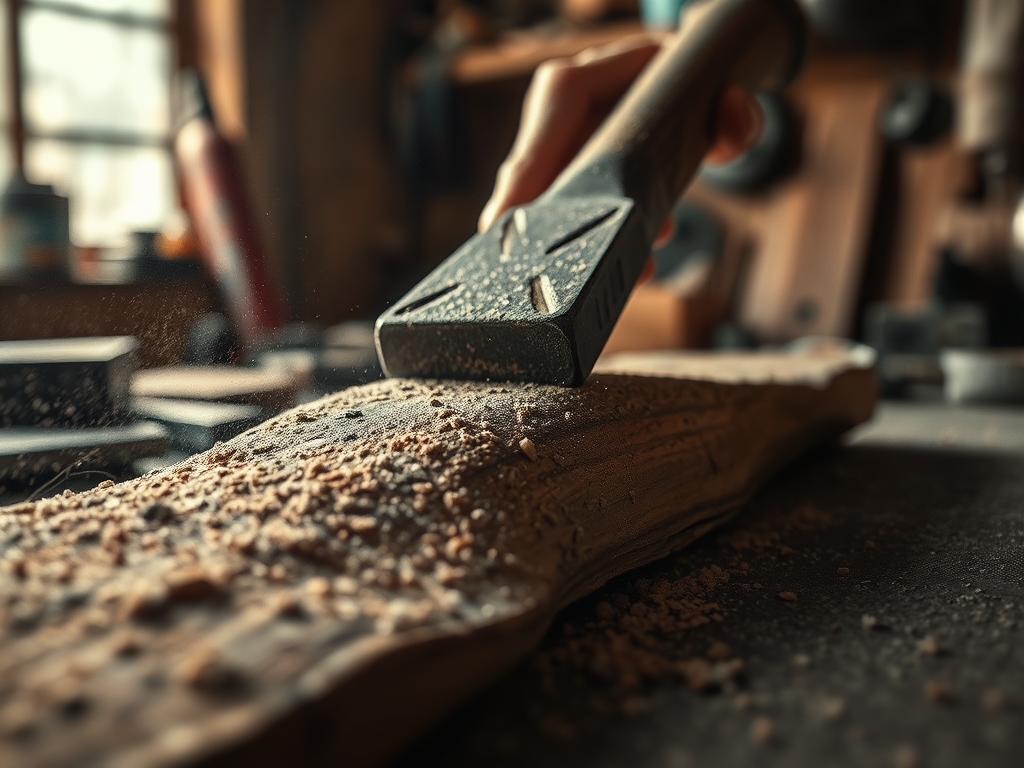
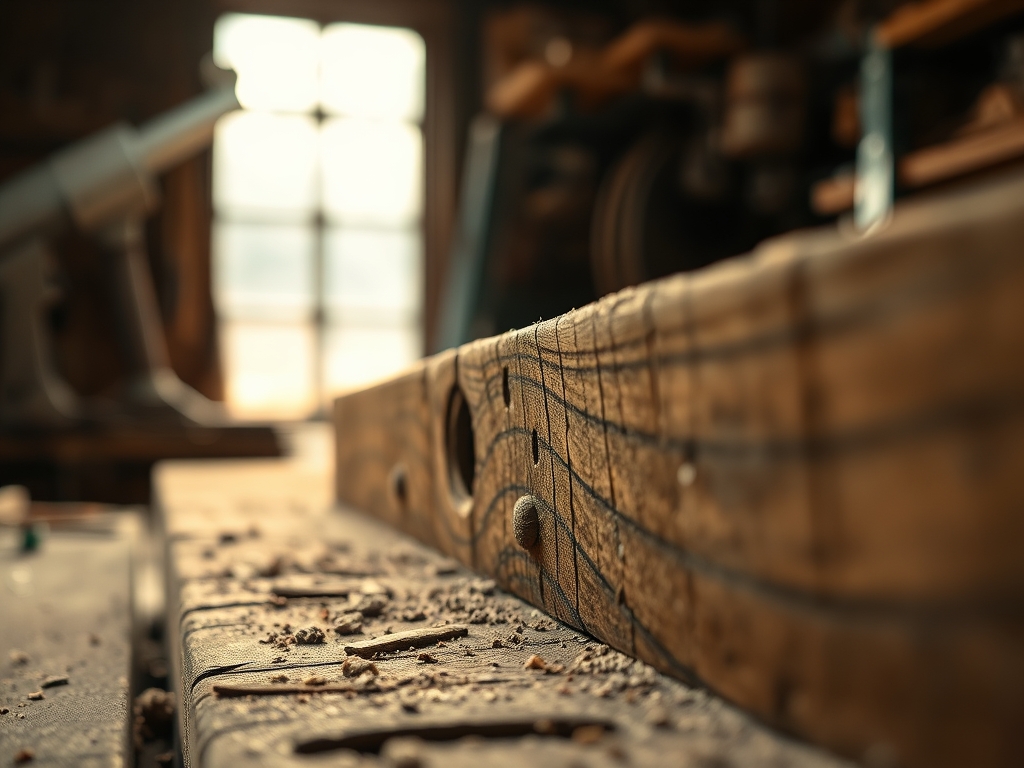
The smell of freshly split white oak is basically the perfume of the gods; it carries that sharp, tannic bite that tells your brain something structurally sound is about to happen. You know that feeling when you try to rip a long board on a plastic folding table and the whole thing wobbles like a newborn giraffe? That is exactly why Building a Traditional Sawbench is the ultimate rite of passage for any serious maker. It is not just about having a place to sit; it is about creating a rock solid foundation that respects the tensile strength of your lumber. When you run your hand over a rough sawn plank, you are feeling the lignin bonds that hold those fibers together. A pair of sturdy horses allows you to harness that energy without the vibration that ruins a clean line. We are talking about massive stability, a surface that welcomes the bite of a hand saw, and a height tuned perfectly to your own biomechanics. Let us get your shop sorted with a project that defines the word tactile.
THE STUDIO KIT
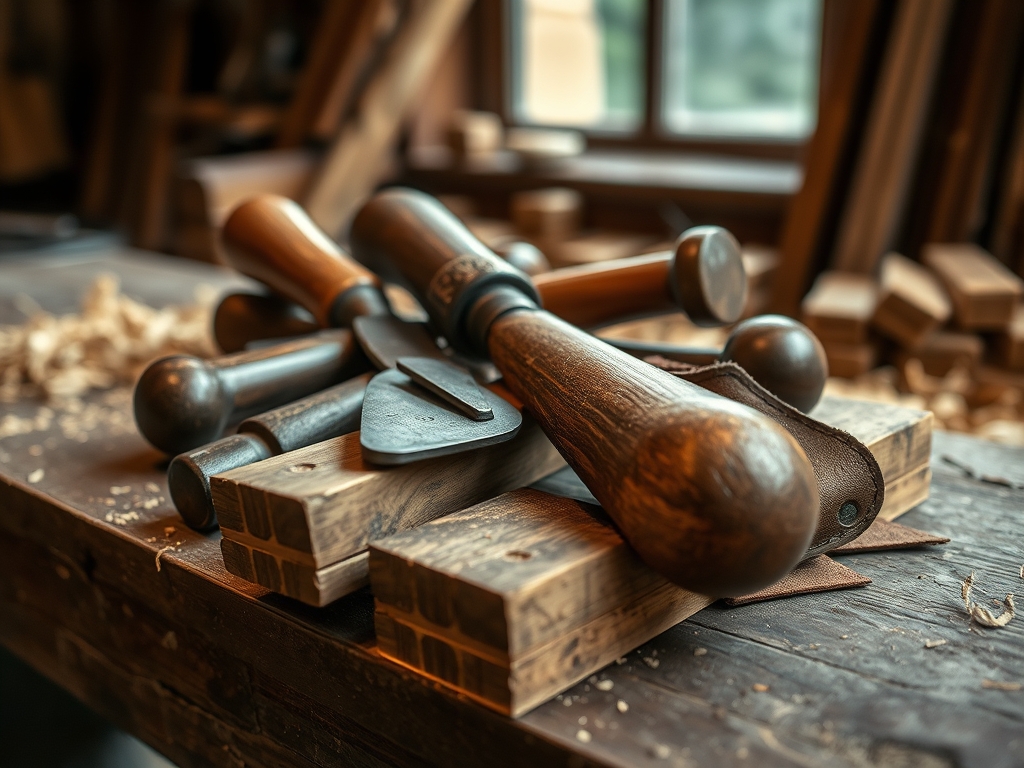
To execute this build with precision, you need a kit that respects the cellular structure of your wood. Start with thick stock; ideally 8/4 (two inch) yellow pine or oak for the top. You will need a marking gauge to score lines that the wood fibers cannot ignore, and a sharp crosscut saw with a high TPI (teeth per inch) for clean ends. Grab your calipers to verify the thickness of your tenons; even a millimeter of variance can compromise the mechanical interlock of the joint. For the legs, a sliding T-bevel is non negotiable for setting those splayed angles.
Material Substitutions: If you cannot source premium hardwoods, laminated construction lumber works beautifully. The key is to orient the growth rings to counteract cupping. You can also swap traditional hide glue for a modern PVA, though hide glue offers a superior viscosity for reversible repairs. Avoid using MDF or particle board; these materials lack the longitudinal grain necessary to support the sheer force of a heavy rip cut.
THE TEMPO
The "Maker's Rhythm" is all about balancing high intensity labor with periods of cooling. Expect the Milling Phase to take about two hours. This is where you square your stock and find the heart of the wood. The Joinery Phase is the marathon; give yourself five hours of focused, meditative chiseling. This is where the moisture content of your timber matters most, as wood that is too green will shrink and loosen your joints. Finally, the Assembly and Finishing Phase takes roughly two hours. Do not rush the glue up. You need to allow the adhesive to reach full polymerization before you put a saw to the surface. Total time: nine hours of pure, creative flow.
THE CORE METHOD
1. Sizing the Top Platen
Measure the distance from the floor to the bottom of your kneecap using a steel tape. This height ensures an ergonomic stance where you can use your body weight to pin the workpiece. Cut your top plank to length, ensuring the ends are perfectly square. Mastery Tip: Always check the end grain for checking or cracks. By sealing the ends with wax or paint, you prevent rapid moisture loss, which maintains the dimensional stability of the timber.
2. Angling the Mortises
Set your T-bevel to a 10 degree splay. This angle creates a wider footprint, increasing the lateral stability of the bench. Use a forstner bit to clear the bulk of the waste, then refine the edges with a razor sharp chisel. Mastery Tip: This process relies on compressive strength. If the mortise is slightly undersized, the leg will compress the wood fibers as it is driven in, creating a "friction fit" that is structurally superior to a loose joint filled with glue.
3. Shaping the Splayed Legs
Taper the legs so they are wider at the shoulder than at the foot. This distributes the downward force through a larger surface area. Use a block plane to chamfer the edges, which prevents splintering when you drag the bench across a concrete floor. Mastery Tip: Pay attention to grain orientation. Ensure the grain runs straight down the length of the leg to maximize axial loading capacity; diagonal grain is a recipe for a snapped leg under heavy pressure.
4. The Birdsmouth Notch
Cut a V-shaped notch into one end of the bench top. This allows you to support a board vertically while you saw across the end grain. Use an oscillating tool or a fine hand saw for the initial cuts. Mastery Tip: The geometry of the notch exploits triangulation. By providing two points of contact against a vertical board, you eliminate the torsional twist that occurs during a heavy stroke.
5. Final Leveling and Burnishing
Place the bench on a known flat surface. If it rocks, use a marking awl to scribe a level line around the feet and trim them. Sand the top to 120 grit and apply a coat of boiled linseed oil. Mastery Tip: Rubbing the wood with a smooth stone or a piece of hardwood will burnish the surface. This collapses the surface cells, making the wood more resistant to liquid spills and increasing its surface density.
THE TECHNICAL LEDGER
Maintenance & Longevity: Check the tightness of the joints every six months. If the wood shrinks, you can drive a small wooden wedge into the end of the tenon to re-establish the interference fit. Re-oil the surface annually to keep the fibers hydrated and prevent brittle fractures.
Material Variations: For a sustainable build, reclaimed Douglas Fir beams offer incredible shear strength. If you want a premium "heirloom" version, Black Walnut provides a gorgeous aesthetic with high impact resistance. Recycled plastic lumber is an option for outdoor use, though it lacks the structural stiffness of natural cellulose.
The Correction:
- The Wobble: If the legs are uneven, do not just sand them. Use a shim to find the exact gap, then trim the opposite legs to match.
- The Split: If a leg splits during assembly, the hoop stress was too high. Inject thin cyanoacrylate glue into the crack and clamp it immediately to restore the bond.
- The Loose Joint: If a mortise is too wide, glue a thin veneer of the same species to the tenon face to build up the thickness.
Studio Organization: Store your sawbenches nested together or hung on a heavy duty wall cleat. Avoid damp corners; constant hydroscopic changes will cause the wood to warp, ruining the flat reference surface you worked so hard to create.
THE FINAL REVEAL
There is nothing quite like the thud of a finished sawbench hitting the shop floor. It sounds solid, heavy, and ready for a century of work. When you stand back and look at those splayed legs, you are seeing the physical manifestation of geometry and physics working in harmony. The way the light catches the burnished edges and the deep glow of the oil finish makes it more than just a tool; it is a partner in your craft. You have built something that can support hundreds of pounds without a flinch. Now, grab a piece of scrap, set your knee on that top platen, and feel the absolute stillness as your saw bites into the wood. That is the sound of a job well done.
STUDIO QUESTIONS
Why use a splayed leg design?
A splayed leg increases the base of support, which significantly lowers the center of gravity. This prevents the bench from tipping during high-torque operations like ripping thick stock, ensuring your structural integrity remains intact during heavy use.
Can I use screws instead of joinery?
While screws provide a quick fix, they lack the surface area contact of a mortise and tenon. Over time, the metal will enlarge the hole in the wood, leading to "racking" and a loss of lateral stability.
What is the best wood for a sawbench?
Choose a wood with high Janka hardness and straight grain, like White Oak or Southern Yellow Pine. These species offer the best balance of weight, durability, and compressive strength to withstand years of hammer blows and sawing.
How do I stop the bench from sliding?
You can glue small leather pads or rubber "crutch tips" to the feet. This increases the coefficient of friction between the bench and your shop floor, preventing the bench from "walking" away while you are in the middle of a cut.
Why is the height so specific?
The height is tuned to your biomechanics. A bench at kneecap height allows you to use your leg to secure the workpiece. This posture maximizes your mechanical advantage, reducing fatigue and increasing the accuracy of your hand tool work.