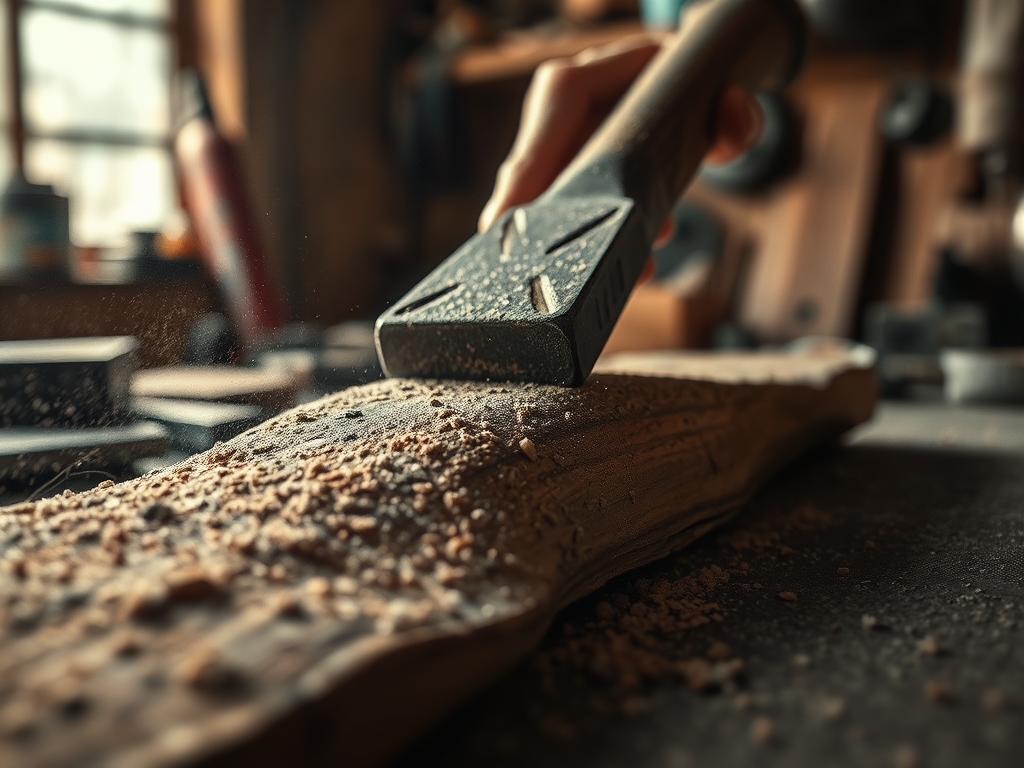
Imagine the heavy, ozone scent of oxidized iron hitting your lungs the moment you step onto that gravel lot. It is a playground of raw potential where the air vibrates with the hum of heavy machinery. When I am Sourcing Scrap Steel for Forging, I am not just looking for junk; I am hunting for specific carbon signatures hidden under layers of rust. My fingers itch to touch the cold, pitted surfaces of discarded leaf springs and industrial coil. You have to develop a tactile sense for the density of the metal. If it rings with a clear, high-pitched tone when struck with a hammer, you know the internal lattice structure is tight and high in carbon. If it thuds, it is likely mild steel, which is fine for practice but useless for a blade. We are here to find the "good stuff" that can withstand the violent thermal shocks of the forge. It is about the thrill of the rescue; taking a piece of forgotten industrial history and preparing it for a second life as a high performance tool.
THE STUDIO KIT
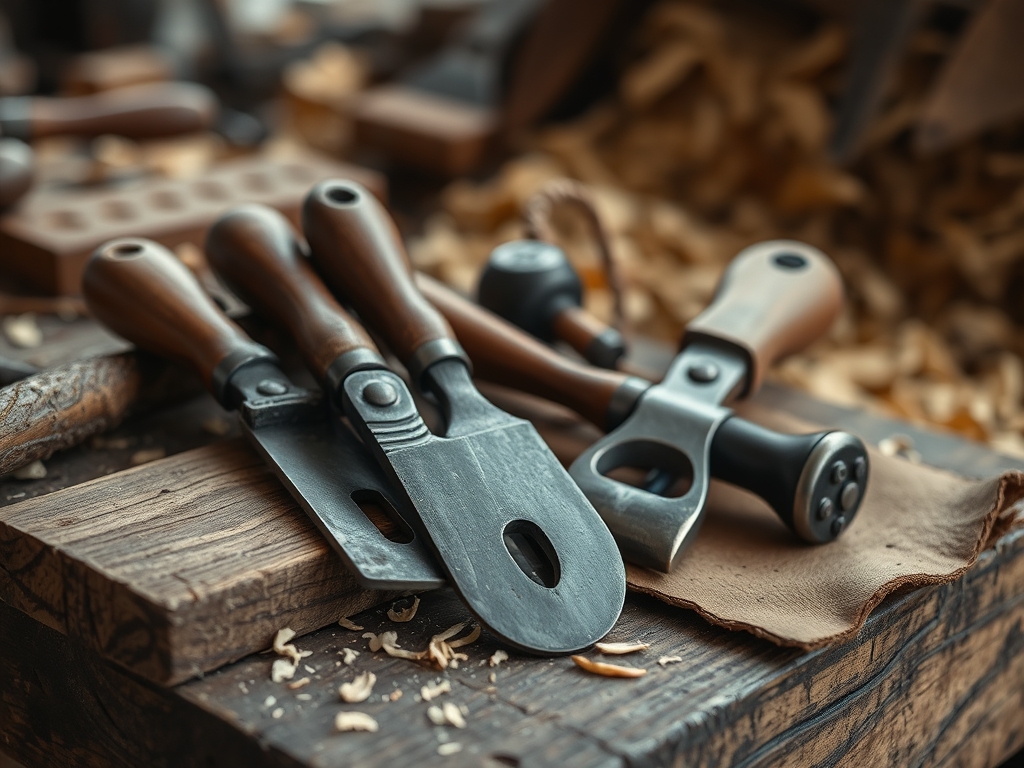
Before we dive into the piles, you need your diagnostic toolkit. I never go to the yard without my digital calipers to measure the exact gauge of potential stock. Precision matters because a few millimeters of difference in thickness can double your hammering time. I also carry a small bastard file for a quick "bite test" on the metal surface. If the file slides off without grabbing, the steel is hardened; if it digs in, the material is soft. You will also need a high powered magnet to distinguish between stainless series (which are often non-magnetic) and the ferritic steels we crave.
For Material Substitutions, if you cannot find old vehicle leaf springs (usually 5160 grade), look for discarded jackhammer bits or large industrial lawnmower blades. These are often S7 or 1080 series steels that offer incredible tensile strength. Avoid anything galvanized at all costs; the zinc coating releases toxic fumes when heated that will ruin your day and your lungs. We want raw, honest carbon steel with a predictable grain direction.
THE TEMPO
The Maker's Rhythm in scrap sourcing is divided into three distinct movements. First is the Survey Phase, which takes about forty five minutes of walking and visual scanning. You are looking for shapes that minimize your stock removal later. Second is the Extraction Phase, often the most grueling hour, where you use an oscillating tool or a portable bandsaw to harvest the specific sections you need from larger assemblies. Finally, there is the Processing Phase back at the studio. This involves two to three hours of cleaning, grinding, and normalizing the steel to "reset" its internal stresses before the actual forging begins. You cannot rush the metal; it has a memory of its previous life that must be erased through careful heat cycles.
THE CORE METHOD
1. The Spark Test Diagnostics
Before you pay by the pound, take a portable grinder to a small corner of the find. Observe the spark pattern carefully. High carbon steel will produce "bursts" or "stars" at the end of the spark streamers, whereas mild steel produces long, straight lines.
Mastery Tip: The science here lies in the carbon oxidation. When the grinding wheel shears off tiny particles of molten metal, the carbon within those particles reacts with atmospheric oxygen and explodes. The frequency and complexity of these bursts are a direct indicator of the carbon percentage, which dictates the final hardness of your forged piece.
2. Identifying Grain Direction
Look at the wear patterns on the scrap. For items like old files or wrenches, the grain usually runs parallel to the length of the tool. You want to align your future blade or tool with this existing grain to maximize the structural integrity of the finished product.
Mastery Tip: Steel is not an isotropic blob; it has a "directional" strength similar to wood grain. By forging in alignment with the original rolling direction of the mill, you ensure that the carbide streaks are longitudinal. This prevents the metal from snapping under lateral stress during heavy use.
3. Surface Debridement
Once back in the shop, use a wire wheel or a chemical bath of white vinegar to remove the "scale" and rust. You need to see the "bright" metal to check for micro-fractures or "checks" that could expand during the quench.
Mastery Tip: Removing oxidation is about managing thermal conductivity. Rust acts as an insulator; if you put a crusty piece of scrap into the forge, it will heat unevenly. A clean surface ensures a rapid, uniform rise in temperature, preventing internal "hot spots" that lead to warping.
THE TECHNICAL LEDGER
Maintenance & Longevity: Scrap steel is prone to rapid "flash rust" once you grind it clean. Always wipe your harvested stock with a light coat of mineral oil. This creates a hydrophobic barrier that preserves the surface until you are ready to light the forge.
Material Variations:
- Sustainable: Reclaimed railroad spikes (high carbon versions marked with "HC").
- Recycled: Old coil springs from suspension systems (excellent for punches).
- Premium: Discarded sawmill circular saw blades (often 15N20 or L6 steel).
The Correction:
- The Hairline Fracture: If you see a tiny crack after cleaning, do not ignore it. Use a jeweler's saw to cut past the crack entirely; otherwise, the stress will propagate during the quench and shatter the piece.
- The Mystery Alloy: If the steel refuses to harden in oil, it might be an air-hardening alloy. Try a test coupon by letting it cool in still air to see if it reaches the desired Rockwell hardness.
- Overheating: If the sparks during your test are orange and dull, your grinder might be "glazing" the metal. Use a fresh ceramic belt to keep the cut cool and the data accurate.
Studio Organization: Store your scrap by "type" rather than size. Keep all your 5160 (leaf springs) in one bin and 1095 (files) in another. Label them with a paint pen. If you mix your alloys, you will never get your heat treat recipes correct.
THE FINAL REVEAL
There is nothing quite like the moment you pull a shimmering, polished blade out of the tempering oven and realize it started its life as a rusty hunk of a 1970s truck. The transformation is absolute. You have taken something destined for the landfill and, through an understanding of molecular reorganization, turned it into a heirloom. The weight in your hand feels earned. It is ergonomic, sharp, and carries the "soul" of the scavenged material. You are not just a maker; you are a molecular alchemist.
STUDIO QUESTIONS
How can I tell if a scrap file is high carbon?
Run a magnet over it first; then perform a file test. If a new file cannot scratch the scrap file, it is likely W1 or W2 high carbon steel, which is perfect for holding a razor edge.
Is rebar good for forging knives?
Generally no. Rebar is made from "mutt metal" with inconsistent carbon levels. It lacks the tensile strength required for edge retention. Use it for practice or for making decorative hooks and gate latches instead.
Why does my scrap steel crack during the quench?
This is often due to "stress risers" or micro-fractures already present in the recycled material. Always normalize your scrap by heating it to non-magnetic and letting it cool slowly three times before the final hardening.
What is the safest way to clean rusty scrap?
Soak the metal in a sealed container of white vinegar for twenty four hours. This dissolves the iron oxide without the need for harsh chemicals or creating excessive dust from a grinder. Wipe clean and oil immediately.
Can I forge stainless steel scrap?
It is difficult for beginners. Stainless requires a very narrow temperature range and an oxygen-free environment to prevent "chrome burn." Stick to high carbon "rusting" steels until you have mastered atmosphere control in your forge.