The air in the studio smells like ozone and scorched iron; it is a scent that signals pure potential. When you grip a cold, three-eighths inch steel rod, you are feeling the raw tensile strength of a material that refuses to budge until you introduce it to the sun-bright heat of the forge. We are not just bending metal today. We are Forging a Fire Poker Head, a project that demands you master the transition from a rigid crystalline structure to a plastic, malleable state. You can feel the vibration of the anvil through your marrow before you even strike the first blow. It is tactile, heavy, and incredibly honest. As the steel transitions from a dull grey to a vibrant cherry red, the molecular bonds loosen; this allows us to move the mass without fracturing the core. This is where art meets industrial physics. We are going to take a utilitarian length of carbon steel and give it a decorative twist that looks like frozen liquid, turning a simple tool into a sculptural masterpiece for your hearth.
THE STUDIO KIT
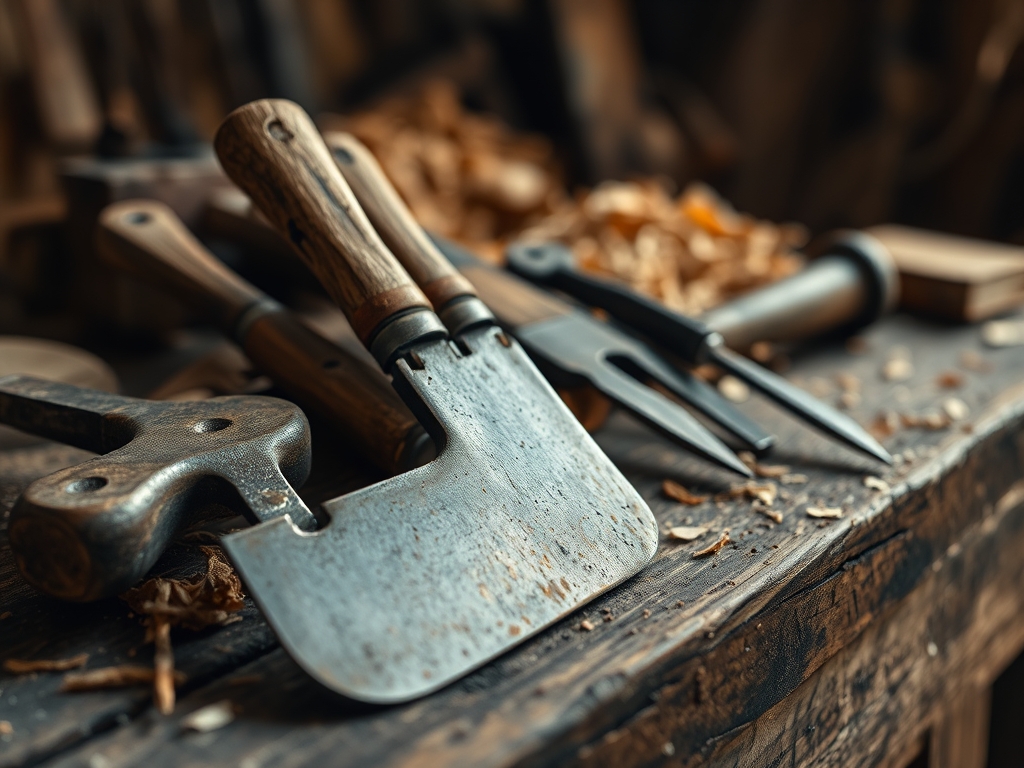
To execute this build, you need more than just enthusiasm; you need a kit that respects the thermal dynamics of the craft. Your primary material is a 24-inch length of A36 mild steel rod. This specific grade is preferred because its lower carbon content provides excellent ductility, making it less prone to snapping during the high-torque twisting phase.
Your tool bench must include a post vice with serrated jaws to grip the rod during the twist. You will also need a two-pound cross-peen hammer for drawing out the point and a pair of wolf-jaw tongs to maintain a secure, ergonomic grip on the hot work. For precision, keep your digital calipers nearby to measure the taper of the poker head.
Material Substitutions: If you cannot source A36 rod, a recycled wrought iron piece offers a beautiful, fibrous grain that mimics wood when etched. For a more modern, corrosion-resistant finish, you could use 304 stainless steel, though be warned: its high chromium content increases work hardening, requiring more frequent trips to the forge to maintain its plastic state.
THE TEMPO
The "Maker's Rhythm" is a dance between the forge and the anvil. You have roughly 60 to 90 seconds of "working time" once the steel leaves the heat before the temperature drops below the critical range.
- The Heat-Up (10 minutes): Bringing the forge to a stable 2,000 degrees Fahrenheit.
- The Taper (20 minutes): Multiple heats to draw the square point and the hook.
- The Twist (5 minutes): A high-intensity, single-heat event where the decorative element is born.
- The Finishing (15 minutes): Wire brushing and applying a traditional beeswax coating.
Total active time is about an hour, but the mental focus required is absolute. You are working against the clock of thermal dissipation.
THE CORE METHOD
1. Drawing the Square Taper
The first step is to transform the round end of the rod into a sharp, four-sided pyramid. Heat the final four inches until they glow bright orange. Position the tip on the far edge of the anvil and strike with consistent, overlapping blows. Rotate the rod exactly 90 degrees between strikes to maintain symmetry.
Mastery Tip: This process relies on displacing mass. By hammering the sides, you are forcing the metal to elongate rather than compress. If you fail to rotate precisely, you will create "laps" or cold shuts, which are structural folds that weaken the integrity of the poker head.
2. Forming the Decorative Scroll
Once the taper is thin and elegant, use the horn of the anvil to curl the tip back onto itself. This creates the "poker" aspect that allows you to grab and pull logs. Use light, glancing blows to wrap the metal around the radius of the horn.
Mastery Tip: Observe the thermal gradient. The thinner the tip, the faster it loses heat. You must work the very end of the scroll first while it is at its most ductile to prevent the metal from "buckling" or kinking under the force of the hammer.
3. The Decorative Kinetic Twist
Heat a three-inch section of the rod's body to a uniform yellow heat. Secure the rod vertically in the post vice. Using a twisting wrench or a large pair of vice grips, rotate the top of the rod 360 degrees in a smooth, continuous motion.
Mastery Tip: This is a lesson in torsional strain. The heat must be perfectly even across the section you wish to twist. If one spot is cooler, the twist will "bunch up" in the hotter, softer areas, ruining the linear aesthetic of the decorative spiral.
4. Setting the Final Alignment
After the twist, the rod may have a slight "dog-leg" or bend. Lay the piece flat on the anvil face and use a wooden mallet or a brass hammer to true the alignment. Using a softer mallet prevents you from marring the beautiful decorative facets you just created.
Mastery Tip: This step addresses residual internal stress. As the metal cools, the different thicknesses of the twist and the taper contract at different rates. A final "planishing" heat at a lower dull red helps normalize the grain structure and prevents warping.
THE TECHNICAL LEDGER
Maintenance & Longevity: Steel is porous at a microscopic level. To prevent oxidation (rust), apply a layer of paste wax or linseed oil while the metal is still warm to the touch (around 300 degrees). This "seals" the surface through capillary action, pulling the protectant into the grain.
Material Variations:
- Sustainable: Use reclaimed rebar for a rugged, industrial look.
- Premium: Use silicon bronze for the head to create a bi-metal tool that will never rust and develops a stunning patina.
The Correction:
- The Spiral is Uneven: Reheat the entire section to a bright orange and "untwist" it slightly, then re-twist. The second attempt usually evens out the heat distribution.
- The Tip is Cracking: This is "red shortness." You worked the metal while it was too cold. You must cut off the cracked tip and start the taper again.
- The Vice Marks are Too Deep: Use "soft jaws" made of copper or aluminum in your vice to protect the steel during the high-torque twist.
Studio Organization: Store your steel rods vertically in a dry, PVC-sleeve rack to prevent floor moisture from causing surface pitting. Label your various gauges with paint pens so you don't accidentally grab high-carbon tool steel for a decorative project.
THE FINAL REVEAL
Look at that! You have successfully turned a boring industrial rod into a functional piece of hearth-side art. The way the light catches the edges of the twist creates a sense of movement, while the hand-forged taper proves this wasn't some mass-produced factory item. It feels balanced in the hand, with an ergonomic weight that makes tending a fire feel like a ritual rather than a chore. You have mastered the physics of heat, the geometry of the taper, and the sheer grit of the twist. Your fireplace just got a major upgrade!
STUDIO QUESTIONS
What is the best steel for Forging a Fire Poker Head?
A36 mild steel is the gold standard for beginners. It has a low carbon content, making it highly ductile and easy to forge, twist, and weld without the risk of the metal becoming brittle or cracking during the cooling process.
How do I prevent the steel from rusting?
Apply a traditional "blacksmiths finish" by rubbing beeswax or boiled linseed oil onto the poker while it is still warm. The heat opens the metal's pores, allowing the oil to penetrate and create a durable, moisture-resistant barrier against oxidation.
Why did my decorative twist come out crooked?
Uneven heating is the primary culprit. If one section of the rod is hotter than the rest, it will yield to the torsional force more easily, causing a tight, bunched-up spiral in one spot and a loose twist in the others.
Can I use a propane torch for this project?
A standard plumbing torch lacks the BTUs to heat a three-eighths inch rod to a forging temperature. You need a dedicated propane forge or a charcoal forge to reach the 2,000-degree threshold required for Forging a Fire Poker Head.