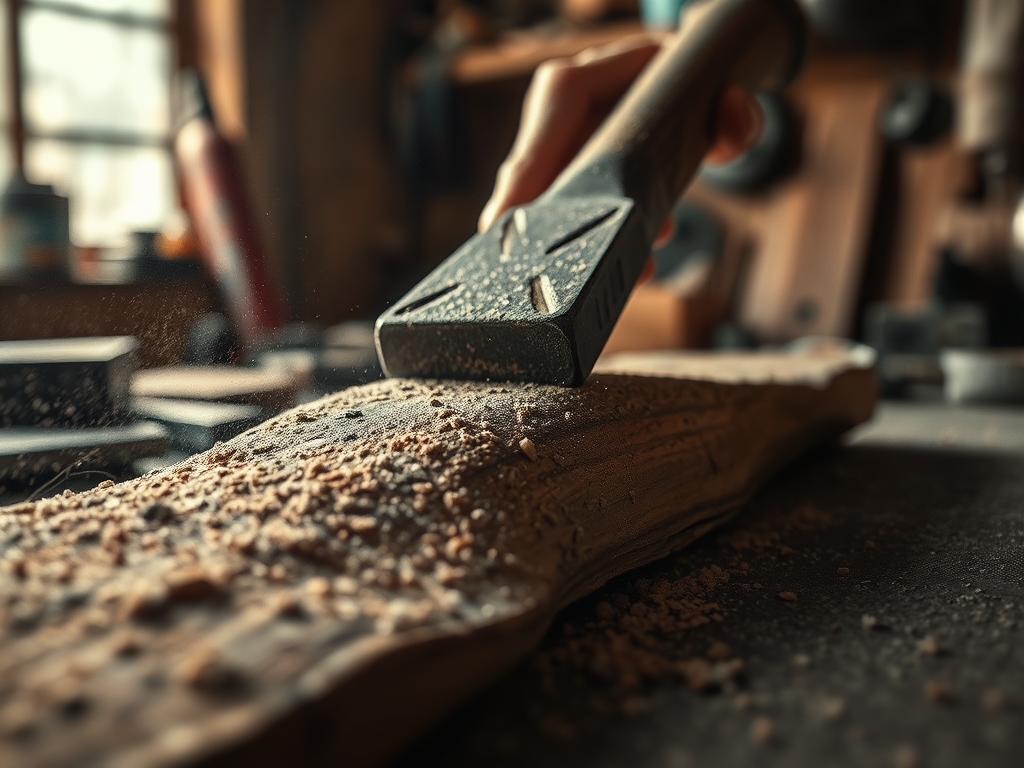
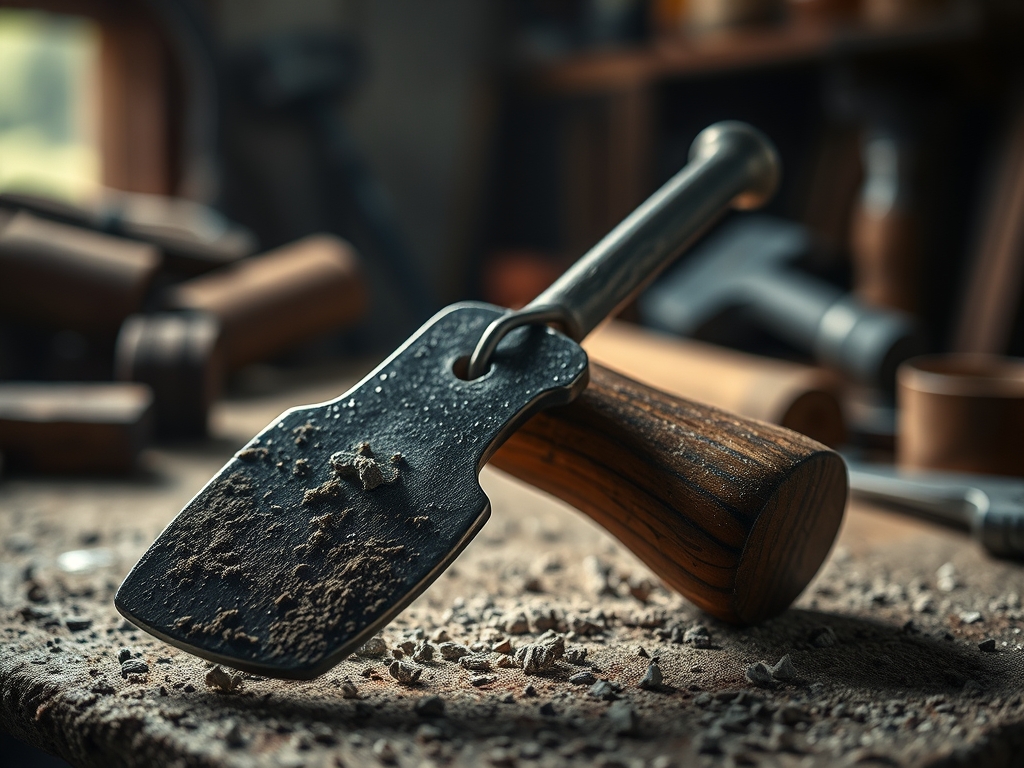
Listen to that hum. That is the sound of potential energy waiting for a thermal invitation to become kinetic. When you stand in front of a forge, you are not just looking at a pile of coal or a hiss of propane; you are staring at the ultimate reset button for molecular structures. We are diving deep into the transformative physics of metal today. Our mission is Forging a Small Fire Poker that balances perfect weight with a grip that feels like an extension of your own arm. Forget those flimsy, store bought rods that bend the second they hit a heavy oak log. We are talking about manipulating mild steel at its critical temperature to create something that laughs at high heat. You will feel the radiant warmth on your face and the vibration of the anvil traveling through your bones. This is where high science meets raw muscle. We are going to take a rigid, cold square bar and coax it into a fluid state where it flows like honey, only to lock it back into a permanent, elegant geometry that will last for generations.
THE STUDIO KIT
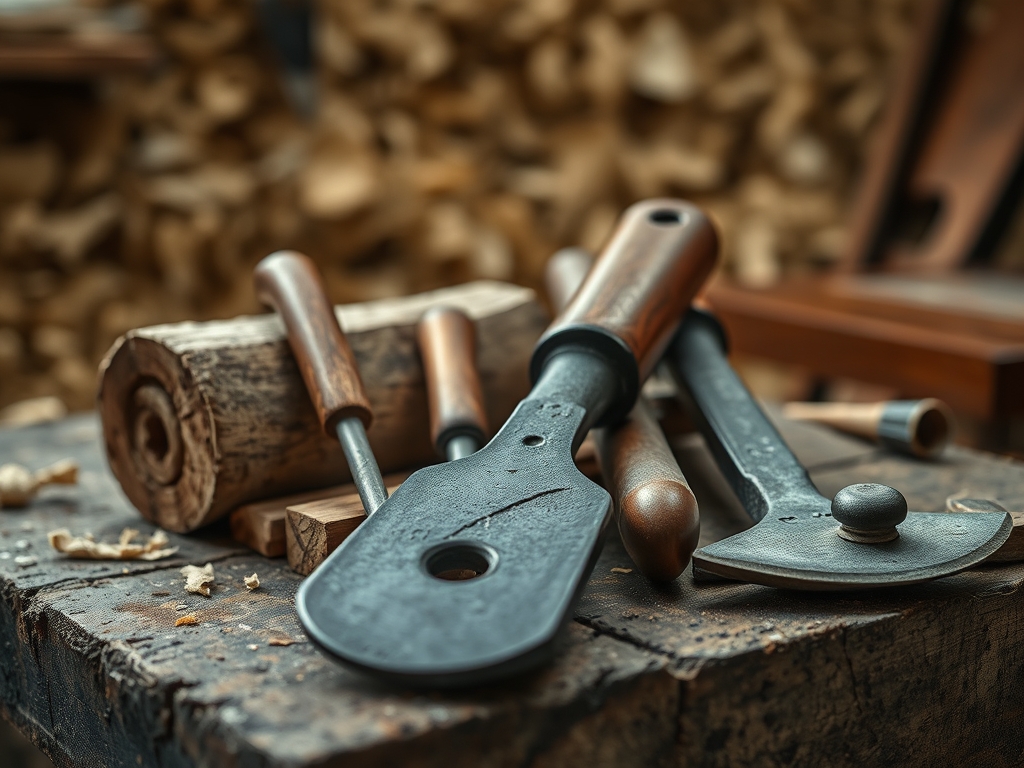
To master this build, you need a kit that respects the tensile strength of your medium. Your primary substrate is a 3/8 inch square mild steel bar, roughly 18 inches long. We choose square over round because the corners provide more surface area for the hammer to bite into, allowing for faster displacement of mass. You will need a two pound cross peen hammer; the balance of this tool is vital for maintaining an ergonomic swing that prevents wrist fatigue. Your anvil serves as the stationary force; its mass must be significantly higher than your hammer to ensure the energy of your strike stays in the workpiece rather than dissipating into the floor.
For precision, keep your calipers and a steel rule nearby to check the gauge as you draw out the point. You will also need a pair of wolf jaw tongs to maintain a secure grip on the hot metal. If you do not have a professional forge, a high output torch can work for smaller sections, though it lacks the soaking heat of a coal forge. Material Substitutions: If you cannot find mild steel, you can upcycle old rebar, though the high carbon content makes it more brittle and prone to cracking if worked too cold. Always have a bucket of slack water nearby for localized cooling to protect the structural integrity of the handle while you work the tip.
THE TEMPO
The "Maker's Rhythm" is a dance between the fire and the anvil. You are working against the clock of thermal dissipation. A standard heat cycle gives you about 60 to 90 seconds of optimal plasticity. The first phase, the rough shaping, takes about 30 minutes of heavy hitting. This is the high energy movement where you move the most mass. The second phase, the detailing and scrolling, requires a slower, more deliberate tempo of about 45 minutes. Here, you are looking for subtle adjustments in the alignment and curve. Finally, the finishing and seasoning phase takes 15 minutes. Total active time is roughly 90 minutes, but the mental focus must be constant. You are listening for the "ring" of the steel; a dull thud indicates the metal has dropped below its working temperature and needs to go back into the fire to avoid internal stress fractures.
THE CORE METHOD
1. Drawing the Taper
Heat the final three inches of your bar until it glows a bright cherry red, reaching approximately 1,500 degrees Fahrenheit. Place the end on the far edge of the anvil and strike with a rhythmic, angled blow. This process, known as drawing out, reduces the cross section while increasing the length. You are essentially squeezing the molecules forward. Rotate the bar 90 degrees after every two strikes to maintain a square profile as it thins.
Mastery Tip: This relies on the plasticity of the metal. If you strike the steel when it has faded to a dull red, you risk "cold shutting," where the internal grain structure shears rather than flows, creating a permanent weak point in your tool.
2. Forming the Hook
Once you have a long, elegant taper, move to the horn of the anvil. Use the rounded surface to begin curving the thinned end back toward the main body of the poker. This hook is what will allow you to pull logs forward in the hearth. Ensure the curve is wide enough to catch a two inch branch but tight enough to remain rigid under pressure.
Mastery Tip: Leverage the thermal gradient. By cooling the very tip of the hook in water for a split second before bending, you keep the tip stiff while the rest of the taper remains soft, allowing for a perfectly uniform curve without collapsing the point.
3. The Decorative Twist
Reheat the center section of the bar to a uniform orange. Secure one end in a heavy duty vise and use a twisting wrench or a pair of pliers to rotate the bar. The square edges will spiral around the central axis, creating a beautiful geometric pattern that also increases the surface area for better cooling.
Mastery Tip: This demonstrates torsional strength. The twist actually work-hardens the metal, making the shaft more resistant to bending. Ensure your heat is even across the entire length of the twist, or the spiral will be tight in the hot spots and loose in the cooler ones.
4. Setting the Handle Loop
The handle needs to be comfortable and heat resistant. Draw out the opposite end of the bar into a long, thin flat section. Loop this back on itself to create a large "P" shape. This creates an air gap between your hand and the main shaft, utilizing the low thermal conductivity of the surrounding air to keep the handle cool during use.
Mastery Tip: Use a burnish technique on the handle. While the metal is still at a black heat (around 400 degrees), rub it with a brass brush. The brass will melt onto the surface, creating a gold-toned, corrosion-resistant layer that feels smooth to the touch.
THE TECHNICAL LEDGER
Maintenance & Longevity: Steel is porous at a microscopic level. To prevent oxidation (rust), apply a thin coat of linseed oil or beeswax while the tool is still warm. This creates a polymer bond that seals the metal. Reapply once a year or whenever the finish looks dull.
Material Variations:
- Sustainable: Source your steel from old vehicle coil springs for a high carbon, ultra-durable version.
- Premium: Use stainless steel 304 for a tool that will never rust, though it requires much higher forging temperatures and specialized hammers.
The Correction:
- The Fishmouth: If the end of your taper splits like a snake's tongue, you didn't rotate enough. Fix it by cutting off the split end with a jeweler's saw or hot chisel and restarting the taper.
- The Over-Twist: If the spiral is too tight and starts to crack, you have exceeded the tensile limit. Reheat to a bright yellow and slowly untwist by half a turn to relieve the stress.
- Warped Shaft: If the poker isn't straight, lay it across the anvil on two wooden blocks and strike the high point with a rubber mallet. This "dead blow" method straightens the steel without marring the decorative finish.
Studio Organization: Store your fire poker by hanging it from the handle loop on a brass peg. Avoid leaning it against damp masonry, which can trap moisture against the metal and trigger galvanic corrosion.
THE FINAL REVEAL
Look at that! You have successfully transitioned a piece of industrial hardware into a functional work of art. The way the light catches the facets of the twist is pure magic. This fire poker isn't just a tool; it is a record of your energy and the literal movement of atoms. It feels balanced, heavy enough to command the coals but light enough to manipulate with a flick of the wrist. When you use this to stir your next fire, you will feel that solid connection to the hearth that only a handmade tool can provide. You have officially mastered the heat!
STUDIO QUESTIONS
What is the best steel for a beginner fire poker?
Mild steel (A36) is ideal because it has a wide forging temperature range. It is forgiving, easy to move under the hammer, and does not require complex heat treating to remain durable for standard hearth use.
How do I prevent the handle from getting too hot?
Incorporate a decorative twist or a flattened loop. These features increase the surface area of the metal, allowing heat to dissipate into the air through convection before it reaches your hand, keeping the grip safely cool.
Why did my steel snap while I was bending it?
You likely hit the "blue brittle" range. Steel becomes surprisingly fragile between 400 and 700 degrees Fahrenheit. Always ensure your workpiece is at least a dull red color before performing heavy bends or structural shaping.
Do I need to quench the poker in oil?
For mild steel, a water quench is fine for cooling, but an oil dip at "black heat" is better for finishing. It creates a durable, blackened patina that resists rust and gives the tool a professional, seasoned look.