The scent of toasted iron and vegetable-tanned hide is the ultimate perfume for a creative soul. You know that feeling when a store-bought tool just lacks the soul required for a bespoke project? That is why we are Forging a Shop Punch today. It is about more than just making a hole; it is about the physics of the tensile strength found in high-carbon steel meeting the porous density of premium leather. When you hold a tool you shaped yourself, the ergonomic feedback through your palm changes the way you work. We are diving into the grit and the heat to create a legacy piece for your bench.
This project requires us to respect the molecular structure of our metal. If we do not treat the steel with the correct thermal cycles, the edge will either shatter like glass or fold like wet cardboard. We want that perfect middle ground where the Rockwell hardness is high enough to bite through 10-ounce bridle leather but resilient enough to withstand a thousand mallet strikes. Grab your safety glasses and a cold drink; we are about to turn a raw steel rod into the sharpest ally your leather bench has ever seen.
THE STUDIO KIT
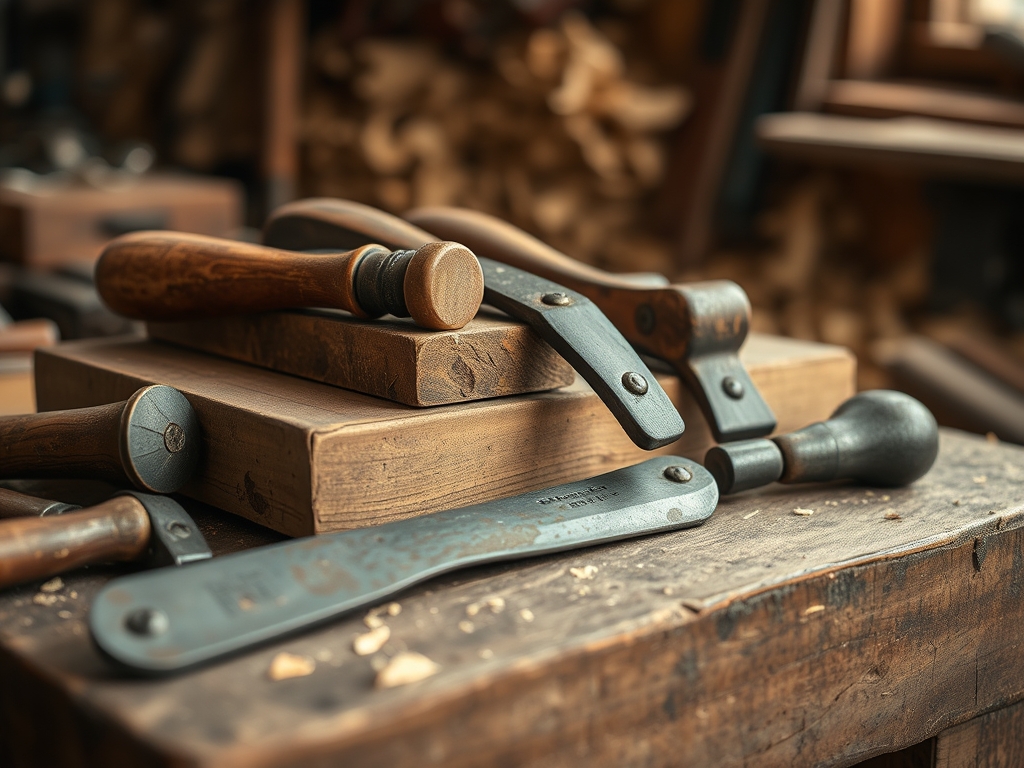
To master the art of Forging a Shop Punch, your kit must be curated for precision. We start with a 5-inch length of O1 tool steel or W1 drill rod. These alloys are favored because their carbon content allows for predictable hardening in a home studio setting. You will need a butane torch or a small propane forge to reach the critical temperature of approximately 1,450 degrees Fahrenheit. For the shaping phase, a set of digital calipers is non-negotiable to ensure the diameter of your punch tip matches your hardware.
You will also need a bench grinder or a series of diamond files to establish the primary bevel. To finish the edge, keep a leather strop and green chromium oxide polishing compound nearby. For the quenching process, a container of vegetable oil is safer and more consistent than water, as it reduces the risk of thermal shock cracking the steel.
Material Substitutions: If you cannot source O1 tool steel, a high-quality repurposed masonry nail or an old high-speed steel (HSS) drill bit can work. However, be aware that HSS requires much higher temperatures to anneal and reshape. If you prefer a sustainable approach, look for vintage coil springs from a vehicle; they possess incredible elasticity and toughness once tempered correctly.
THE TEMPO
The "Maker's Rhythm" is a dance between patience and decisive action. You cannot rush the thermal soak of the metal. Expect to spend about 30 minutes on the initial shaping and grinding phase. This is the loud, spark-filled portion of the program where we define the silhouette. The heat treatment (hardening and tempering) takes another 45 minutes, though much of that is waiting for the oven to stabilize. Finally, the honing and polishing phase takes about 20 minutes of meditative, repetitive motion. Total shop time: roughly 2 hours from raw rod to a tool that can pierce four-ply leather with a single tap.
THE CORE METHOD
1. Shaping the Taper
We begin by securing the steel rod in a vise and using an oscillating tool or a grinder to create a long, smooth taper toward the business end. The goal is to reduce the mass at the tip while maintaining a thick "shoulder" to absorb the impact of the mallet. Use your calipers to check the diameter every few minutes.
Mastery Tip: This involves structural integrity. A steep, short taper creates a wedge that will tear the leather fibers rather than cutting them. A long, shallow taper allows the tool to displace the tensile load of the leather gradually, resulting in a cleaner exit hole.
2. The Hollow Grind
Using a small round file or a jeweler's saw, we create a slight concavity at the very tip of the punch. This ensures that only the outermost perimeter of the circle makes contact with the leather first. Observe the alignment in the step-by-step photos below to ensure your center point is perfectly true.
Mastery Tip: This utilizes surface tension reduction. By creating a hollow face, you concentrate the entire force of the strike onto a microscopic edge. This increases the "pounds per square inch" (PSI) exponentially, allowing the tool to slice through dense grain without compressing the surrounding material.
3. Hardening the Edge
Heat the tip of your punch until it reaches a "cherry red" glow. Use a magnet to check for the Curie point; when the steel is no longer magnetic, it has reached its austenitic phase. Immediately plunge the tip vertically into your oil bath.
Mastery Tip: This is the science of crystalline structure. Rapid cooling "locks" the carbon atoms into a stressed, needle-like lattice called martensite. This makes the steel incredibly hard, though currently too brittle for use.
4. Tempering for Toughness
Clean the scale off the steel until it is shiny again, then place it in a kitchen oven at 400 degrees Fahrenheit for one hour. The steel will turn a light straw color. This reduces the internal stress of the metal.
Mastery Tip: Tempering balances hardness and ductility. By slightly relaxing the martensitic structure, you ensure the punch tip won't snap off when it hits your polypropylene cutting board.
5. The Final Burnish
Once the tool is cool, use your strop to polish the edge to a mirror finish. A smooth tool has less friction, meaning it will slide out of the leather just as easily as it went in.
Mastery Tip: This addresses capillary action and friction. A microscopic "toothy" edge creates drag against the tannins and oils in the leather. A polished edge moves through the fibers like a hot knife through butter.
THE TECHNICAL LEDGER
Maintenance & Longevity: Steel is corrosive. To prevent oxidation, wipe your punch with a light coat of camellia oil after every session. If you notice the edge dulling, do not go back to the grinder; a few passes on a bone folder wrapped in fine-grit sandpaper will usually restore the bite.
Material Variations: For a premium version, use S35VN stainless steel, which offers incredible edge retention but requires professional vacuum heat treating. For a recycled "green" version, use the shank of a broken carbide router bit.
The Correction:
- The Mushroom Head: If the top of your punch starts to flatten out, it means the steel is too soft. Fix: Re-harden the top inch of the tool.
- The Chipped Edge: This happens if you skip the tempering phase. Fix: Grind back the chip and repeat the heat treatment with a higher tempering temperature.
- Off-Center Holes: This is caused by an uneven bevel. Fix: Use a lathe or a drill press to spin the tool while filing to ensure perfect concentricity.
Studio Organization: Store your custom punches in a wooden block with the tips facing up. This prevents the edges from contacting other metal tools, which can cause micro-chipping. Keeping them in a dry, ventilated area prevents the porous nature of the metal from trapping moisture.
THE FINAL REVEAL
Look at that! You have just graduated from a tool consumer to a tool maker. Your new shop punch should feel heavy, balanced, and dangerously sharp. When you strike it, the sound should be a crisp "thwack" rather than a dull thud. The holes it leaves in your vegetable-tanned projects will be surgical and precise, elevating your work from "handmade" to "master-crafted." There is a certain magic in knowing that the very tool creating the stitch holes was birthed in fire right on your own bench.
STUDIO QUESTIONS
What is the best steel for a beginner punch?
O1 tool steel is the gold standard for beginners. It has a wide "forgiveness" range during heat treatment and achieves a very high Rockwell hardness with a simple oil quench, making it perfect for home studios.
Why does my punch get stuck in the leather?
This usually happens because the side walls are too rough or the taper is too steep. Polish the exterior of the punch to a mirror finish using chromium oxide to reduce friction and allow for easy withdrawal.
Can I use a hammer instead of a mallet?
Avoid metal hammers; they will "mushroom" the end of your custom tool. Use a poly mallet or a rawhide maul. These materials absorb the shock while protecting the structural integrity of your forged steel.
How do I know if I tempered it correctly?
Watch the color changes during heating. A "light straw" color (about 400F) is perfect for cutting tools. If the steel turns blue, it has become too soft and will not hold an edge against high-gauge leather.
How often should I sharpen my shop punch?
If you are working with clean, non-abrasive leathers, a quick stropping every 50 holes is sufficient. If you feel the tool "dragging" or requiring more force to penetrate, it is time for a touch-up on the strop.