
Imagine the sound of a western hand saw screaming through a thick slab of oak. It is a violent, percussive struggle that requires you to lean your entire body weight into a push stroke, praying the blade does not buckle under the pressure. Now, imagine a silent, surgical glide. Using a Japanese Pull Saw transformed my entire studio practice from a high impact workout into a refined dance of physics. The secret lies in the direction of the force. Because the blade only cuts when you pull it toward your body, the steel remains under constant tension. This prevents the bowing and wandering common in traditional saws. My workshop used to be filled with the scent of scorched pine and the frustration of jagged edges, but the transition to pull-stroke technology changed everything. It is not just about the tool; it is about understanding how tensile strength allows for a thinner blade. When you stop fighting the wood and start listening to the grain, the results are nothing short of hypnotic.
THE STUDIO KIT
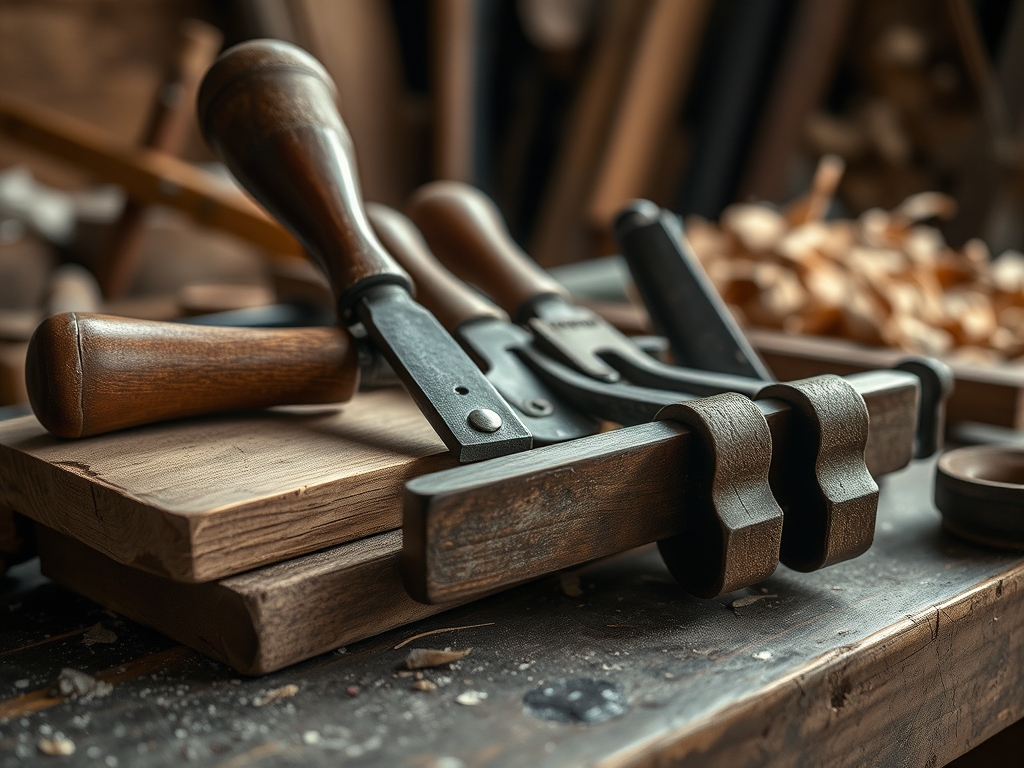
To master this technique, you need a kit that respects the cellular structure of your timber. My primary tool is the Ryoba, a dual edged saw featuring cross cut teeth on one side and rip cut teeth on the other. Unlike western saws, these blades are forged from high carbon steel with a significantly higher Rockwell hardness, allowing the teeth to stay sharp through thousands of cycles. You will also need a precision marking awl to sever the surface fibers before you begin, which prevents splintering. I keep a pair of digital calipers on hand to verify the thickness of my stock; usually a 12-gauge hardwood like walnut or cherry. For the finishing touches, a bone folder or a fine burnishing tool helps compress the end grain for a glass-like finish.
If you are working with limited resources, consider these Material Substitutions. If you cannot source premium kiln-dried hardwoods, high-density birch plywood is a fantastic alternative. Just be aware that the adhesive layers in plywood can dull your blade faster due to their abrasive chemical composition. Instead of a professional workbench, a sturdy table with a non-slip silicone mat and a few heavy duty C-clamps will provide the stability needed to prevent vibrational energy from ruining your cut line.
THE TEMPO
The "Maker's Rhythm" is a psychological state where your heart rate synchronizes with the movement of the tool. When using a Japanese pull saw, the tempo is divided into three distinct phases. First is the Calibration Phase, which takes about five minutes. This involves inspecting the grain direction and marking your lines with surgical precision. Next is the Engagement Phase, the actual sawing, which varies based on the density of the wood. A standard ten-inch cut through cherry should take approximately ninety seconds of fluid motion. Finally, the Refining Phase takes ten minutes; this is where you inspect the kerf and lightly sand or burnish the edges.
True mastery comes from understanding that speed is the enemy of accuracy. In the studio, we prioritize the harmonic resonance of the blade. If the saw begins to chatter or "scream," you are applying too much downward pressure. The rhythm should feel like a steady, rhythmic pulse. By focusing on the exhale during the pull stroke, you stabilize your core and ensure that the blade follows the path of least resistance through the porous vascular bundles of the wood.
THE CORE METHOD
1. The Scribe and Notch
Before the saw ever touches the wood, use your marking awl to create a physical groove. This acts as a track for the blade. By severing the horizontal fibers, you reduce the risk of "tear-out" on the surface.
Mastery Tip: This step utilizes the principle of structural integrity. By creating a pre-defined path, you are directing the initial friction into a concentrated area, preventing the saw teeth from "skating" across the surface tension of the wood.
2. Establishing the Kerf
Place the heel of the saw at the far edge of your mark. Use your thumb as a guide (safely!) and pull back lightly to create a shallow notch. Do not push. Let the weight of the saw do the work.
Mastery Tip: The kerf is the width of the cut made by the saw. Because Japanese saws have a much thinner plate gauge than western saws, they remove less material, which requires less caloric energy from the maker.
3. The Long Stroke Glide
Once the blade is seated, transition into long, sweeping pull strokes. Use about 80 percent of the blade's length. Keep your elbow tucked in and your wrist stiff to maintain a consistent vertical alignment.
Mastery Tip: This relies on tensile physics. A blade under tension cannot bend. By pulling, you are keeping the steel perfectly straight, ensuring the cut remains perpendicular to the face of the board.
4. Clearing the Waste
Periodically stop to blow away the sawdust or use a soft brush. If the kerf becomes clogged with "swarf," the friction increases, which can lead to heat buildup and blade warping.
Mastery Tip: Wood is a porous material that holds moisture. Heat from friction can cause the wood to expand slightly, pinching the blade. Keeping the cut clear maintains the thermal stability of the steel.
THE TECHNICAL LEDGER
Maintenance & Longevity: To keep your saw in peak condition, never touch the teeth with your bare fingers. The oils from your skin can cause oxidization. After every session, wipe the blade with a light coat of camellia oil. Store the saw in a canvas roll or a dedicated wooden case to prevent the teeth from chipping against other metal tools.
Material Variations:
- Sustainable: Bamboo is incredibly fast-growing but has high silica content, which is brutal on blades.
- Recycled: Reclaimed oak from old barns is beautiful but often contains hidden nails; always sweep with a magnet first.
- Premium: Exotic woods like Ebony have a high specific gravity and require a slower tempo to prevent burning.
The Correction:
- The Drift: If the saw veers off the line, do not twist the blade. Stop, back out, and restart the cut from the opposite side.
- The Binding: If the saw gets stuck, the wood is likely "moving" due to internal stress. Insert a small wedge or a flat-head screwdriver into the kerf to keep it open.
- The Splinter: If the exit side of the cut is ragged, you are pulling too hard at the end. Lighten your pressure as you reach the final 5 percent of the cut.
Studio Organization: Store your projects in a climate-controlled environment. Rapid shifts in humidity cause wood to warp or "cup," which can ruin a precision-cut joint. Use a hygrometer to monitor your studio's moisture levels.
THE FINAL REVEAL
There is nothing quite like the moment you pull two pieces of wood together and they click with a perfect, airtight fit. When you switch to the pull stroke, your work takes on a new level of geometric precision. The edges are crisp, the surfaces are unmarred by heavy tooling, and the tactile feel of the finished joint is incredibly satisfying. You have moved beyond mere construction into the realm of fine craft. The energy in the studio shifts from chaotic noise to a focused, creative hum. You aren't just making a box or a shelf; you are mastering the physics of the forest.
STUDIO QUESTIONS
Why is the pull stroke better for thin wood?
The pull stroke keeps the blade under tension, preventing it from buckling. This allows for a much thinner blade, which creates a narrow, precise kerf and reduces the risk of shattering delicate or thin materials during the cut.
Can I sharpen my Japanese pull saw at home?
Most modern Japanese saws have impulse-hardened teeth, which are too hard for standard files. These blades are designed to be replaced when dull. However, traditional non-hardened saws can be sharpened using specialized feather-edged whetstones and extreme patience.
Does grain direction matter when using a Ryoba?
Absolutely. Use the side with smaller, triangular teeth for cross-cutting (across the grain) to prevent tearing. Use the larger, angled teeth for rip-cutting (parallel to the grain) to efficiently clear long fibers and prevent the saw from clogging.
How do I prevent the blade from rusting?
Wipe the blade with a clean, dry cloth after use to remove moisture. Apply a thin layer of mineral oil or camellia oil. Store the tool in a dry area, ideally in a protective sleeve to block atmospheric humidity.