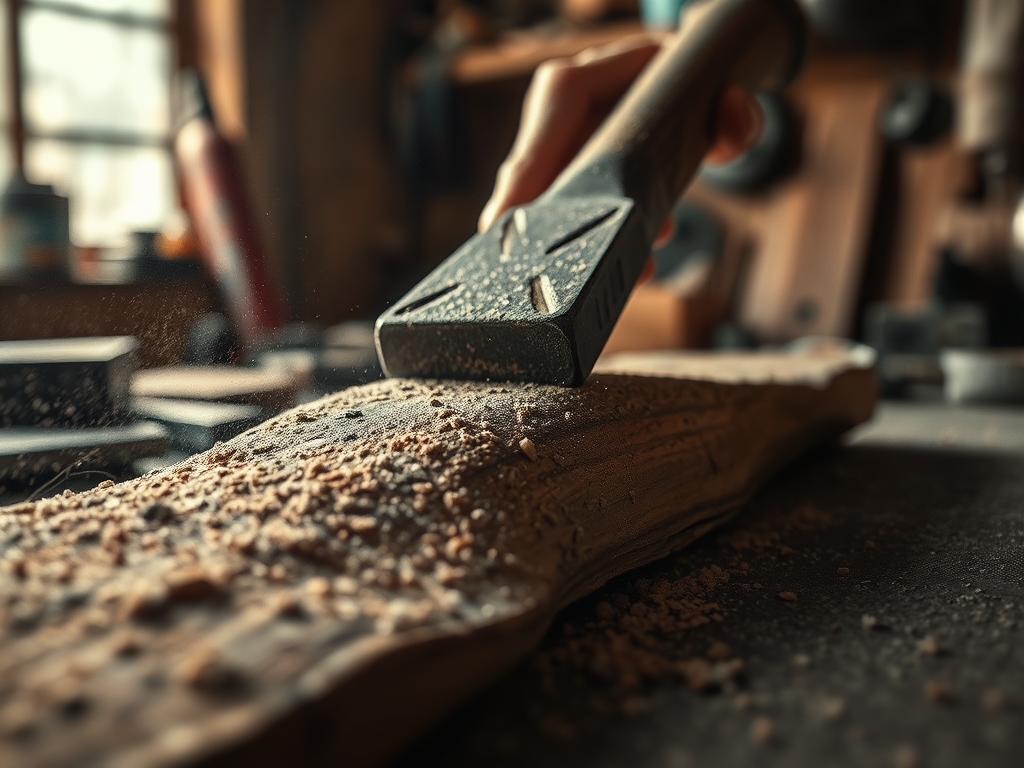
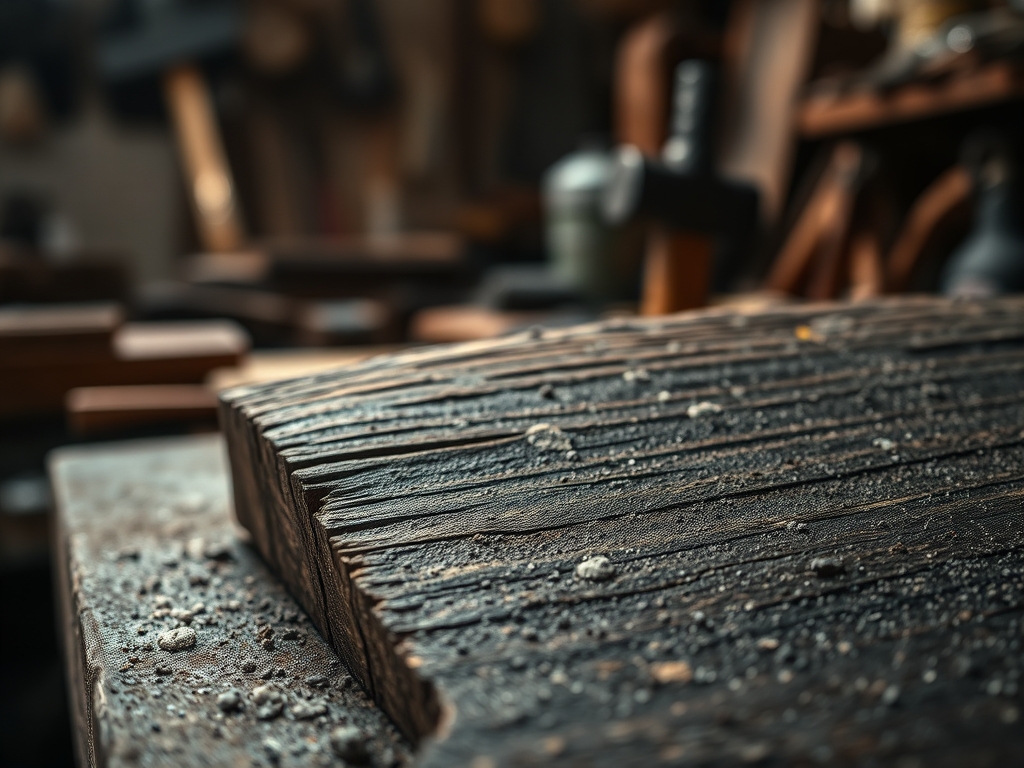
Grab your respirator and tie your hair back because we are about to dive into the most intoxicatingly beautiful process in the woodshop. There is a specific, electric hum in the air when you prepare to apply Hand Rubbed Shellac Finishes; it is the smell of denatured alcohol and the tactile promise of a surface so smooth it feels like liquid glass. We are not just slapping on a topcoat here. We are engaging in a high stakes molecular dance with resin secreted by the Kerria lacca bug. This is biological engineering meets fine art. When you run your hand over a raw, sanded walnut board, you feel the thirsty, open pores waiting for saturation. Shellac is unique because it is a "hot" finish; each new layer partially melts into the previous one to create a single, monolithic film. This chemical bond is far superior to the mechanical bond of modern polyurethanes. We are building a depth that looks three inches deep on a surface only microns thick. It is pure magic.
THE STUDIO KIT
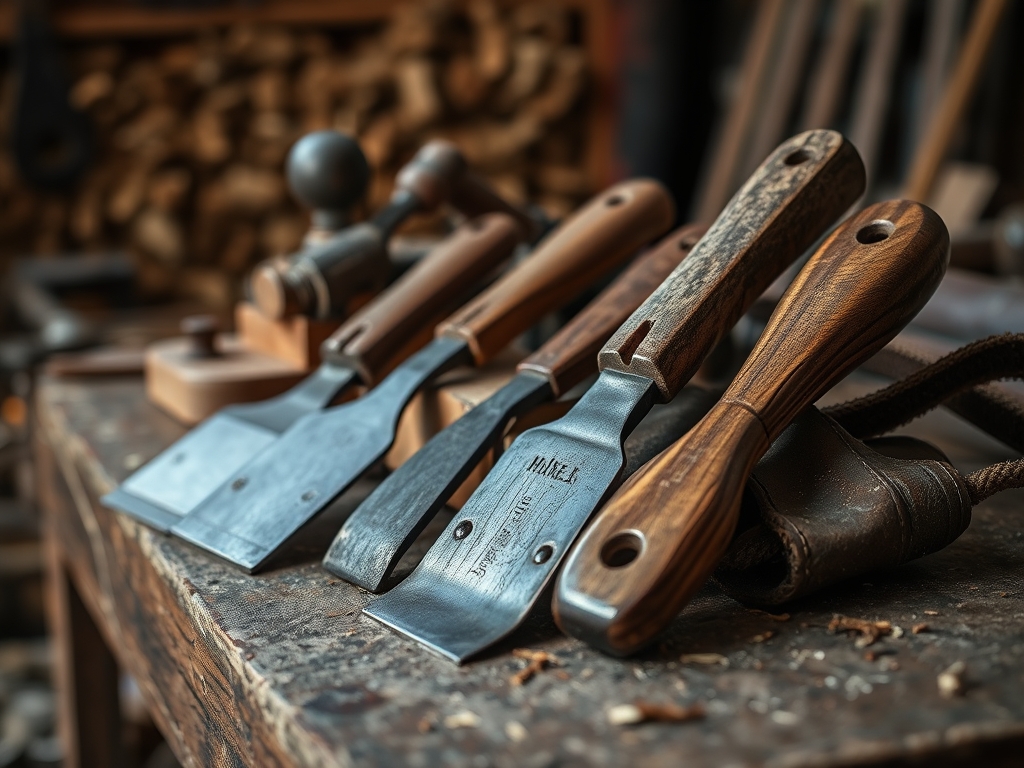
To achieve that legendary glow, your workstation needs to be clinical yet soulful. You will need Dewaxed Shellac Flakes (super blonde for light woods or garnet for a vintage warmth). Using dewaxed flakes is a critical technical choice because the natural wax in standard shellac prevents modern topcoats or even subsequent layers from adhering with maximum tensile strength. You will also need 190 proof denatured alcohol as your solvent.
For the application, forget cheap brushes. You need a fad or a rubber, which is a core of raw wool wrapped in a lint free linen cloth. The wool acts as a reservoir while the linen regulates the flow through capillary action. Keep a pair of digital calipers nearby to measure the thickness of your test pieces and a high quality burnisher for smoothing out any stubborn nibs.
Material Substitutions: If you cannot find raw wool, a surgical grade cotton ball works in a pinch, though it lacks the same springy "rebound" of wool. If denatured alcohol is restricted in your area, high proof isopropyl alcohol (99 percent) can work, though it has a slower evaporation rate which will alter your drying rhythm.
THE TEMPO
The "Maker's Rhythm" for shellac is a fast paced aerobic workout followed by periods of meditative stillness. You are working against the clock because alcohol evaporates at a lightning fast rate. A standard session involves a "session" of bodying up the finish, which takes about twenty minutes of continuous circular motion. You then must allow the piece to "gas off" for at least four hours.
The total timeline for a professional grade deep glow is usually five to seven days. You cannot rush the physics of solvent release. If you trap unevaporated alcohol under a new layer, you will end up with "blushing," which is a cloudy, structural failure of the film. Your tempo should be: Apply, Burnish, Rest, Repeat.
THE CORE METHOD
1. The Seal Coat
Start with a "one pound cut" of shellac. This means one pound of flakes dissolved in one gallon of alcohol, though for studio work, we scale this down to ounces. This thin viscosity allows the resin to penetrate deep into the cellular structure of the wood.
Mastery Tip: The science here is all about surface tension. A thin cut breaks the surface tension of the wood pores, allowing the shellac to act as a sanding sealer that "freezes" the wood fibers in place for a cleaner sand.
2. Charging the Rubber
Drip your shellac into the center of your wool fad, then wrap it in the linen. Do not dip the pad into the jar. You want the shellac to wick through the fabric. Tap the pad against the back of your hand; it should feel damp but not dripping.
Mastery Tip: This utilizes capillary action. By controlling the saturation of the inner reservoir, you ensure a metered release of the finish, preventing "runs" or "fat edges" at the periphery of your workpiece.
3. The Bodying Session
Move the pad in tight, overlapping figure eight patterns. Never stop the pad on the wood or it will melt the previous layer and leave a permanent "footprint." As the pad drags, add a single drop of mineral oil to the face of the cloth as a lubricant.
Mastery Tip: The oil acts as a surfactant. It reduces friction between the pad and the drying resin, allowing you to build thickness without "tearing" the delicate film as it undergoes polymerization.
4. Spiriting Off
After several sessions, you will have a thick build. Now, you use a fresh cloth dampened only with a tiny bit of alcohol to "spirit off" the mineral oil you used earlier. This levels the surface to a mirror shine.
Mastery Tip: This is a process of solvent leveling. The trace amount of alcohol softens the very top peaks of the shellac, allowing gravity and lateral pressure to flatten the finish at a microscopic level.
THE TECHNICAL LEDGER
Maintenance & Longevity: Shellac is surprisingly durable but hates heat and high proof spirits. Use a high quality carnauba wax every six months to provide a sacrificial layer against moisture. If a scratch occurs, simply rub more shellac into the area; it will chemically weld itself to the old finish.
Material Variations:
- Premium: Button Lac. It is processed by hand and contains natural resins that offer a tougher, more scratch resistant surface.
- Sustainable: Shellac is an entirely renewable bio-resin. Using recycled linen scraps for your rubbers reduces studio waste.
The Correction:
- The "Burn Through": If you sand too hard and hit raw wood, do not panic. Use a fine artist brush to "drop fill" the hole with a heavy cut of shellac, then level it once dry.
- The "Orange Peel": This happens if your room is too hot. Sand back with 400 grit and add a "retarder" (like a drop of lavender oil) to slow the drying time.
- The "Tackiness": If the surface stays sticky, your shellac is old. Shellac has a shelf life of about six months once mixed. Strip it with alcohol and start fresh with a new batch.
Studio Organization: Store your mixed shellac in amber glass jars away from UV light. UV rays can degrade the polymer chains over time. Always label your jars with the "cut" ratio and the date of dissolution.
THE FINAL REVEAL
Look at that! When you catch the light on a properly executed Hand Rubbed Shellac Finish, the wood seems to glow from within. The chatoyancy—that shimmering, cat's eye effect—is maximized because shellac is incredibly clear and has a high refractive index. You have turned a piece of lumber into a piece of fine jewelry. It feels warm to the touch, silky, and expensive. This is not just a coating; it is a testament to your patience and your understanding of organic chemistry. You should be vibrating with pride right now.
STUDIO QUESTIONS
How do I know if my shellac is still good?
Drop a small amount onto a piece of glass. If it is not dry to the touch within fifteen minutes, the resins have polymerized in the bottle and it will never properly harden on your furniture. Always test your batch first.
Can I use shellac over an oil based stain?
Yes, but only if it is dewaxed shellac. The dewaxed version acts as a universal "bridge" between different chemistries. Ensure the oil stain has cured for at least forty eight hours to prevent any off gassing bubbles.
What is the best way to clean my application cloths?
You do not actually have to clean them! Store your "rubber" in an airtight glass jar. The alcohol will keep it soft, or if it dries out, simply soak it in fresh alcohol to reactivate the resin.
Why is my finish turning white or cloudy?
This is called "blushing." It happens when high humidity traps moisture under the rapidly evaporating alcohol. Only apply shellac when the humidity is below fifty percent, or use a heat lamp to gently warm the work surface.