Imagine the scent of a sun-drenched workshop where the air is thick with the aroma of freshly planed walnut and the sweet, heavy perfume of raw honeycomb. There is something deeply primal about the friction of a wood shaving curling away from a sharp blade, but the real magic happens when we seal that grain. Today, I am Mixing My Own Wood Wax to bridge the gap between raw organic fiber and a durable, lustrous heirloom finish. We are not just slapping on a coat of store-bought lacquer; we are engineering a molecular barrier that highlights the natural chatoyancy of the timber. When you hold a block of pure yellow beeswax, you are holding a complex matrix of esters and fatty acids that have incredible hydrophobic properties. By blending this with a carrier oil, we transform a brittle solid into a supple, spreadable cream. This process is about control, chemistry, and that satisfying tactile feedback when the wood finally drinks in the finish.
THE STUDIO KIT
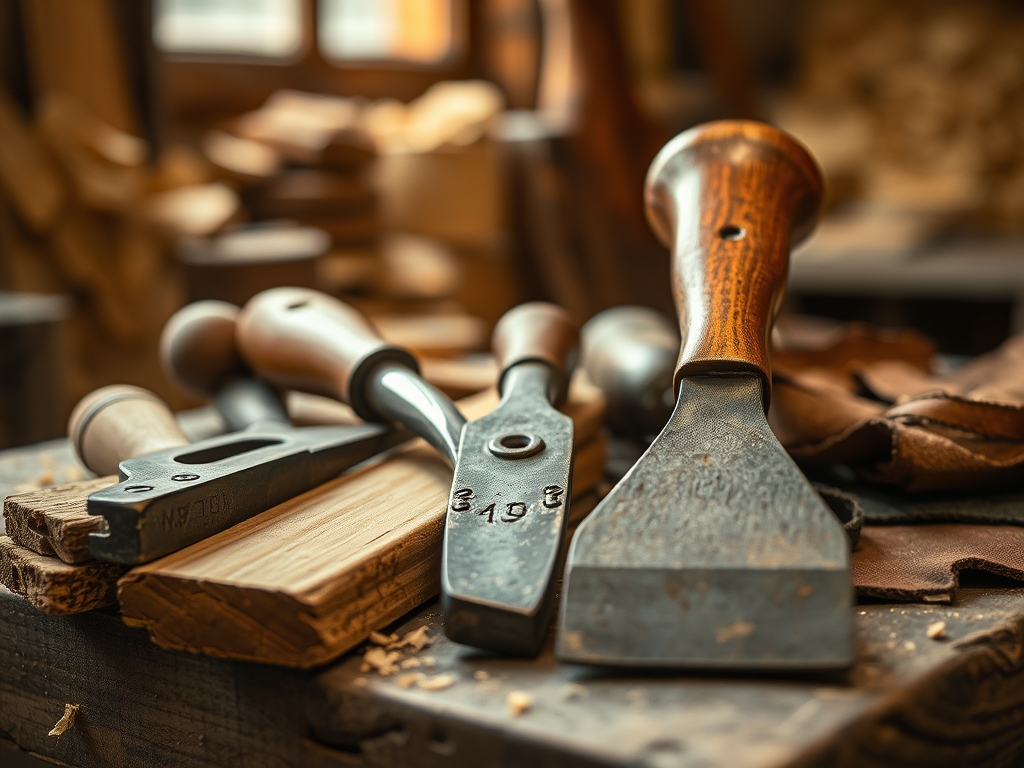
To master this blend, your workbench needs more than just a pot and a spoon. We are looking for precision and safety. First, gather your beeswax pellets; using pellets rather than a solid block increases the surface area, which speeds up the melting process and prevents overheating the core. Your carrier oil should be a food-safe option like fractionated coconut oil or pure walnut oil. Unlike standard vegetable oils, these have a high resistance to rancidity due to their stable molecular chains.
You will need a double boiler setup to ensure indirect heat; direct flame can reach the flash point of the wax, which is a safety hazard you definitely want to avoid. For measurements, put away the measuring cups and grab a digital gram scale. We are working with ratios, and weight is the only way to ensure consistency across different batches. Use a stainless steel stirring rod or a dedicated spatula to prevent cross-contamination.
Material Substitutions: If you cannot find beeswax, Carnauba wax is a premium alternative derived from palm leaves. It has a much higher melting point and results in a significantly harder finish, though it requires a higher oil-to-wax ratio to remain workable. For a vegan-friendly option, Candelilla wax offers similar structural integrity and a beautiful, high-gloss burnish.
THE TEMPO
The "Maker's Rhythm" for this project is divided into three distinct movements: The Melt, The Emulsion, and The Cure. You cannot rush the thermal dynamics of wax. Expect to spend about 15 minutes in the prep phase, ensuring your scale is calibrated and your jars are sterilized. The melting phase takes approximately 20 to 30 minutes over low heat.
Once the mixture is liquid, the cooling phase is where the texture is decided. If you shock the wax by putting it in the freezer, you risk "blooming," where the fats separate and create a grainy, unappealing texture. A slow, room-temperature cool down over two hours allows the lipid chains to interlock uniformly. Finally, the wax needs a 24-hour rest period to reach its final "set" hardness before you apply it to a project.
THE CORE METHOD
1. Calibrating the Ratio
Start by deciding on your desired consistency. For a hard "paste wax" used on furniture, use a 1:3 ratio of wax to oil by weight. For a softer "butter" used on kitchen spoons, move toward a 1:4 ratio. Place your container on the scale and tare it before adding the wax pellets.
Mastery Tip: This ratio affects the viscosity of the final product. A higher wax content provides better physical protection against abrasion, while more oil allows the finish to penetrate deeper into the porous cellular structure of the wood through capillary action.
2. The Thermal Phase
Place your wax in the top of the double boiler. Keep the water at a gentle simmer, never a rolling boil. As the wax reaches its melting point (approximately 144 degrees Fahrenheit), it will transition from opaque to a clear, golden liquid. Once fully melted, slowly pour in your carrier oil.
Mastery Tip: Adding cold oil to hot wax can cause the wax to instantly solidify into "beeswax icebergs." To prevent this, pre-warm your oil slightly or add it in a very thin, steady stream while stirring constantly to maintain a consistent thermal equilibrium.
3. Achieving the Emulsion
Stir the mixture for at least three minutes after the last bit of wax has vanished. This ensures the oil and wax molecules are thoroughly integrated. If you want to add essential oils for scent, do it now, just as you remove the pot from the heat to prevent the volatile aromatic compounds from evaporating.
Mastery Tip: Use a thermometer to check the temperature. If you add scents or additives above 160 degrees, you may break down the chemical bonds of the scent, leading to a "burnt" odor rather than a fresh one.
4. The Pour and Set
Carefully pour the liquid into wide-mouth glass jars or tin containers. Avoid plastic, as the heat can cause the release of phthalates into your finish. Leave the lids off until the wax is completely opaque and cool to the touch to prevent condensation from forming on the underside of the lid.
Mastery Tip: Observe the surface as it cools. If a "sinkhole" forms in the middle, it is a sign of rapid contraction. You can use a heat gun on a low setting to gently remelt the top layer for a perfectly smooth, professional-grade surface finish.
THE TECHNICAL LEDGER
Maintenance & Longevity
This wax is an organic finish, meaning it will eventually wear down. For high-use items like cutting boards, reapply every three months. For furniture, a yearly buffing with a microfiber cloth is sufficient. Store your jars in a cool, dark place; UV light can degrade the natural pigments in the beeswax over time.
Material Variations
- Sustainable: Use locally sourced "cappings" wax from a neighborhood beekeeper to reduce your carbon footprint.
- Premium: Add a small amount of pine rosin to the mix. This increases the "tack" and creates a more durable, grippy finish often used on tool handles.
The Correction
- The Problem: The wax is too hard to scoop out. The Fix: Remelt the batch and add 10% more carrier oil.
- The Problem: The finish feels sticky even after buffing. The Fix: This usually means the oil was not a "drying oil." Buff the wood vigorously with a scouring pad and a bit of mineral spirits, then re-wax with a leaner ratio.
- The Problem: White spots appear on the wood. The Fix: This is moisture trapped under the wax. Use an oscillating tool with a felt polishing pad to generate enough heat to evaporate the moisture and reset the wax.
Studio Organization
Label every jar with the date and the specific ratio used. Use a label maker or permanent marker on the bottom of the tin. Keep a "master log" in your shop so when you find the perfect blend for cherry or oak, you can replicate the exact chemical signature a year later.
THE FINAL REVEAL
Look at that glow! There is nothing quite like the moment you buff a piece of wood and see the grain "pop" under a finish you built with your own hands. The wood feels warm, tactile, and incredibly smooth, almost like polished stone but with the soul of a living tree. By Mixing My Own Wood Wax, you have moved beyond being a consumer and become a true steward of your materials. Your projects now carry a signature scent and a custom sheen that no factory-made bottle can ever replicate.
STUDIO QUESTIONS
Why is my homemade wood wax grainy?
Graininess occurs when the wax cools too quickly or unevenly. The fats crystallize at different rates. To fix this, remelt the mixture and let it cool slowly at room temperature without stirring or moving the container.
Can I use olive oil for wood wax?
Olive oil is not recommended because it is a non-drying oil that can go rancid over time. This creates an unpleasant smell and a sticky residue. Stick to stable oils like fractionated coconut, walnut, or mineral oil.
How do I apply the wax for the best shine?
Apply a thin layer using a lint-free cloth, rubbing with the grain. Let it sit for 15 minutes, then buff vigorously with a clean cotton rag. The friction heat helps the wax bond to the wood fibers.
Is beeswax finish waterproof?
Beeswax is highly water-resistant and provides excellent protection against spills. However, it is not entirely waterproof against standing water. Always use coasters and wipe up liquid spills immediately to prevent the wax from clouding.
Can I add color to my wood wax?
Yes, you can integrate oil-soluble dyes or natural pigments like alkanet root. This creates a "liming" or "toning" wax that can darken light woods or add depth to the grain of darker species like mahogany.